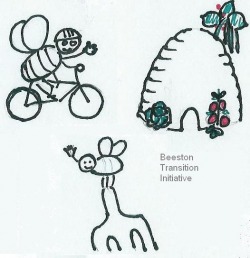
Congratulations to Mary Venning, the winner of our logo competition. Mary submitted the three lovely logos here. The next step is to work these concepts into a full logo.
|
Congratulations to Mary Venning, the winner of our logo competition. Mary submitted the three lovely logos here. The next step is to work these concepts into a full logo.
13 Comments
 The Age of Stupid is a new film starring Pete Postlethwaite. Set in an apocalyptic post-climate change future it looks back on what went wrong and why. On the 25th of April Transition Nottingham hosted the Great Sharing - Unleashing the potential of Transition Nottingham Local Groups. Lots of ideas came out of the day and the notes are now posted on the forum. If you want to have a look and comment etc the link to the forum is here. Beeston Transition are inviting entries into our logo competition. If you fancy putting pen to paper, or mouse to computer, and getting your creative juices flowing then read on.  On Saturday March 14th, the Beeston Transition's Kitchen Garden was launched with over 70 people helping to plant trees and vegetables, as well as enjoying music and food at the Wollaton Road Allotment site. A mulberry bush, a damson tree and 20 hazel hedging plants were planted at the Kitchen Garden, thanks to a grant from the Greenwood Community Forest Team Volunteers also helped to dig over the new beds and plant onions, garlic, broad beans and jerusalem artichokes. The hard work was followed by tea, coffee, homemade cakes and biscuits, and a well-earned rest. Nottingham musician Solomon Smith provided an uplifting musical accompaniment to the planting and refreshments, and won himself some new fans in the process. Thanks to all of those who came along and helped make the afternoon a great success. The Kitchen Garden Team will meet at the site on Central Avenue on the second Saturday of every month from 10.30 to 12.30. If you want to get involved, or just watch progress throughout the year, then please come along or contact us.  This animated 20 minute film has a modern feel and is very professionally produced. Annie appears in film and is our narrator throughout. Apart from her image the rest of the screen is white with black cartoons appearing behind her. Very much in the school teacher in front of white board fashion, which actually neatly sums up how Annie's manner comes across - very teacherly. This isn't a bad thing, per se, but it does make it a little hard to engage with the film as you do feel a bit like you're in a lecture. 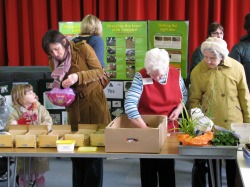 On 14 February we held our first Beeston Transition Seed Swap. Over 150 people attended and got the chance to give and receive some seeds, get advice on growing their own food, composting, seed saving and more. 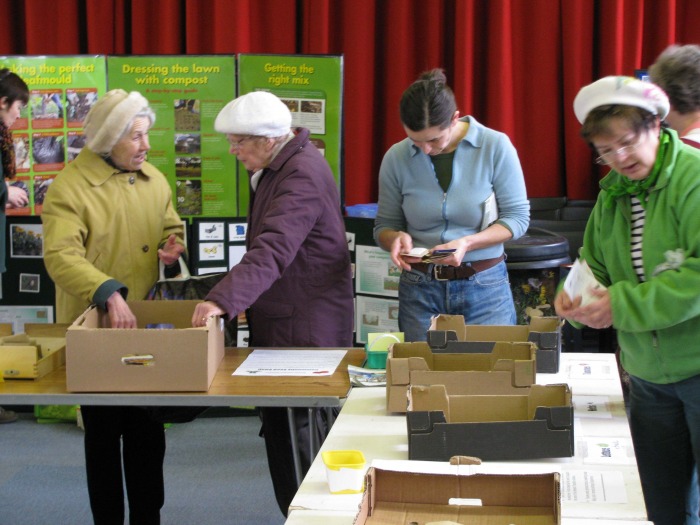 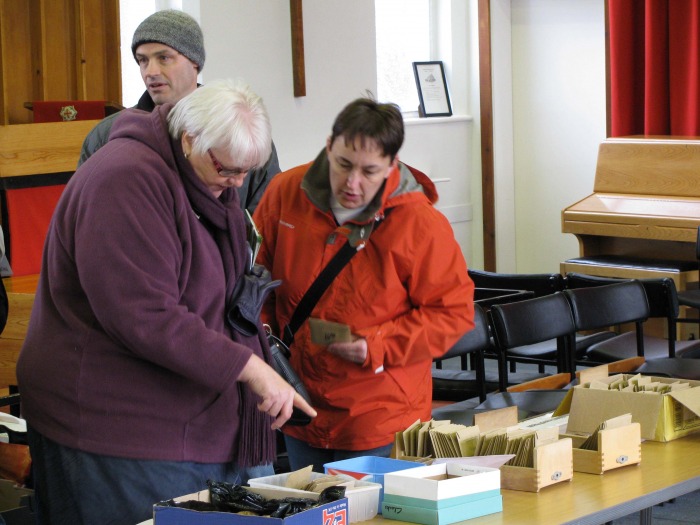  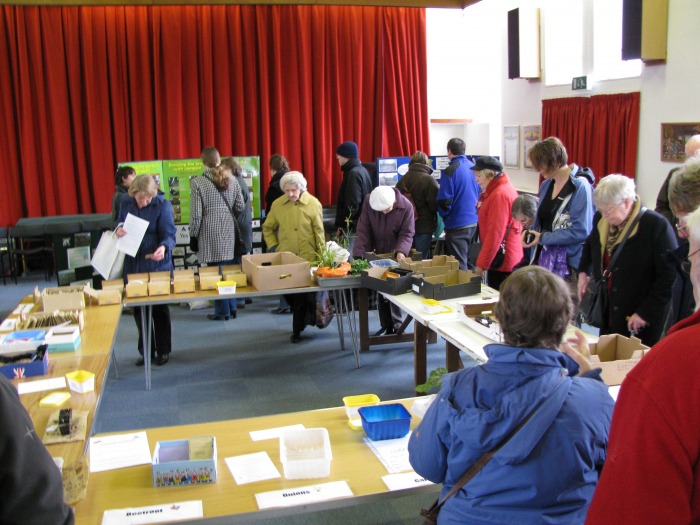  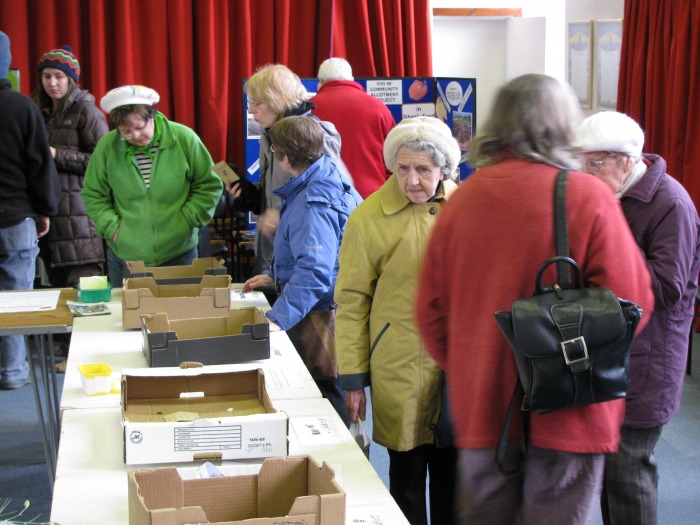 Beeston Transition Initiative has been offered an area at the Beeston Community Garden (see photos below). The Community Garden is on the Wollaton Road Allotment site and has an orchard, pond and wild area, a number of growing areas and a polytunnel. There are plans to erect an educational building there too.  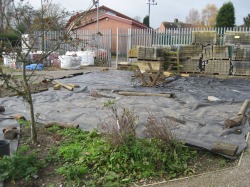 BBC Radio Nottingham are running a ‘switch off’ experiment on Wednesday 18th February. The idea is that everyone in Nottingham switches off all unnecessary appliances from 9pm on 18th Feb until 6am. Central Networks will monitor the change in electricity consumption and report back to say how much difference the switch off made. Presumably they don’t want you to actually turn off the radio… For full info click here. I found this to be extremely low-brow and alarmist. The author presents assertion as fact without exploring alternative arguments. The author appears to reject transition models as a means to survive the oil shocks and suggests praying instead. If, as I think his argument for the failure of transition is based on an analogy with the ‘tragedy of the commons’, then my feeling is that he doesn’t fully understand the game-theoretic and evolutionary mechanisms that can resolve commons dilemmas. He cites the argument that self-regulating and cooperative communities are subject to predation to the point of extinction. In this analogy he means the transition community. This is only half of the story, and nature demonstrates that it simply not true because every (successful) group has mechanisms to resist and deter predation. An example of this in nature is dialect. An example in transition might be local currencies. Read it with a pinch of salt. RJT |
 RSS Feed
